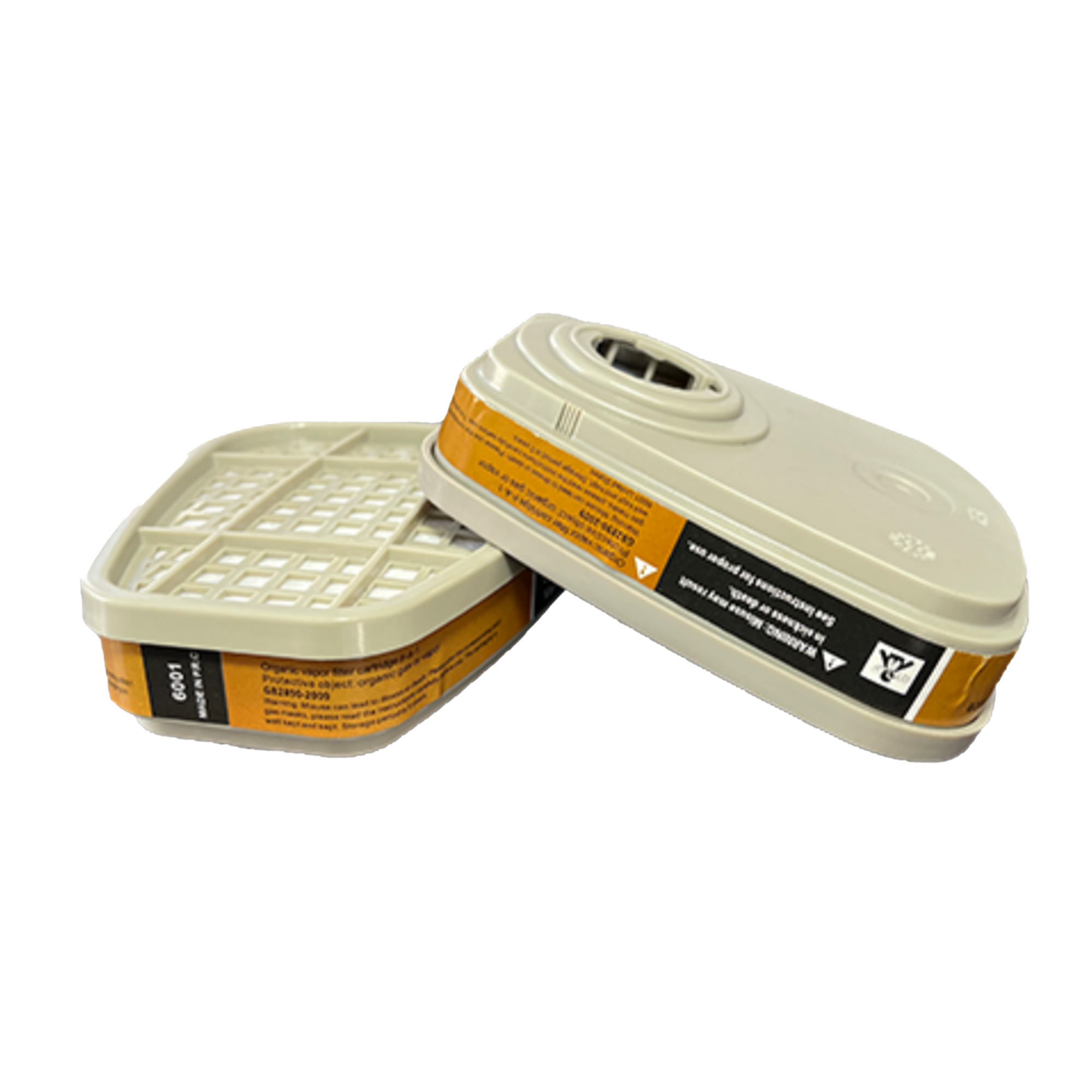
KEY WORDS:respirator with valvefilter cartridgecombined vapor cartridge


A large amount of fine dust is generated during construction, stone polishing, wood processing, mining and other operations. Inhaled dust penetrates the respiratory tract and lungs. Long-term exposure may lead to irreversible occupational diseases such as pneumoconiosis and severely damage physical health. Hence, proper wearing of dust masks serves as an indispensable safety line in dusty workplaces.
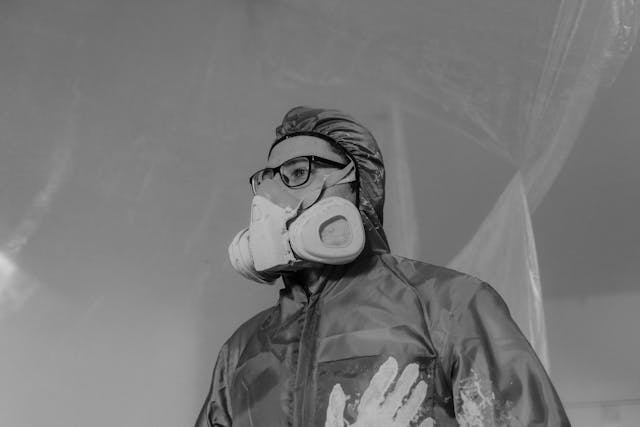
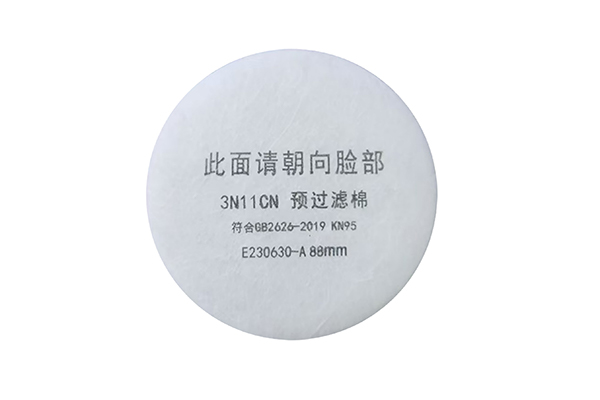
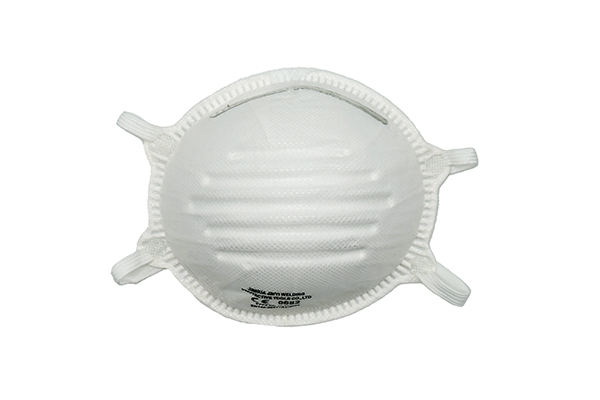
Commonly used self-priming filter particulate respirators fall into half-face and full-face types, complying with GB2626-2019 standards. Equipped with KN90, KN95 and KN100 filter cartridges, they filter dust via breathing force, applicable to environments with mere dust and no toxic gas.
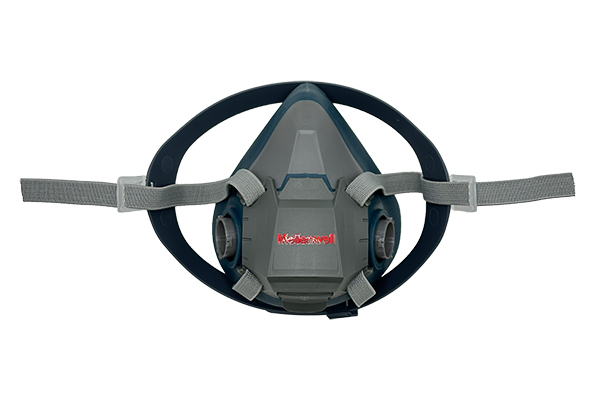
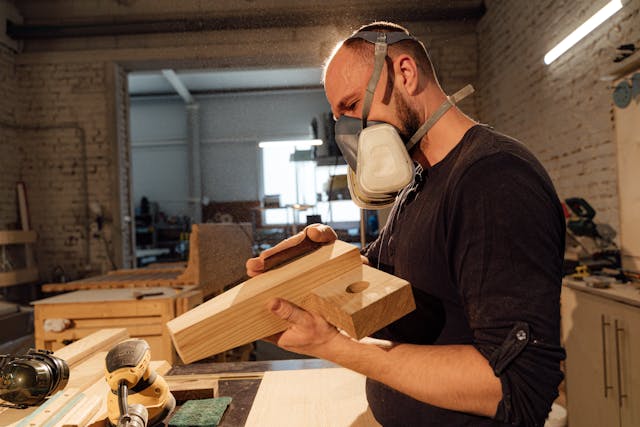
Half-face masks only cover mouth and nose. Featuring soft, lightweight and breathable material, reusable structure and replaceable filters, they are cost-effective for low and medium dust scenarios including site cleaning, woodwork and general metal processing. They fail to protect eyes and facial skin, and are not fit for heavy dust conditions.
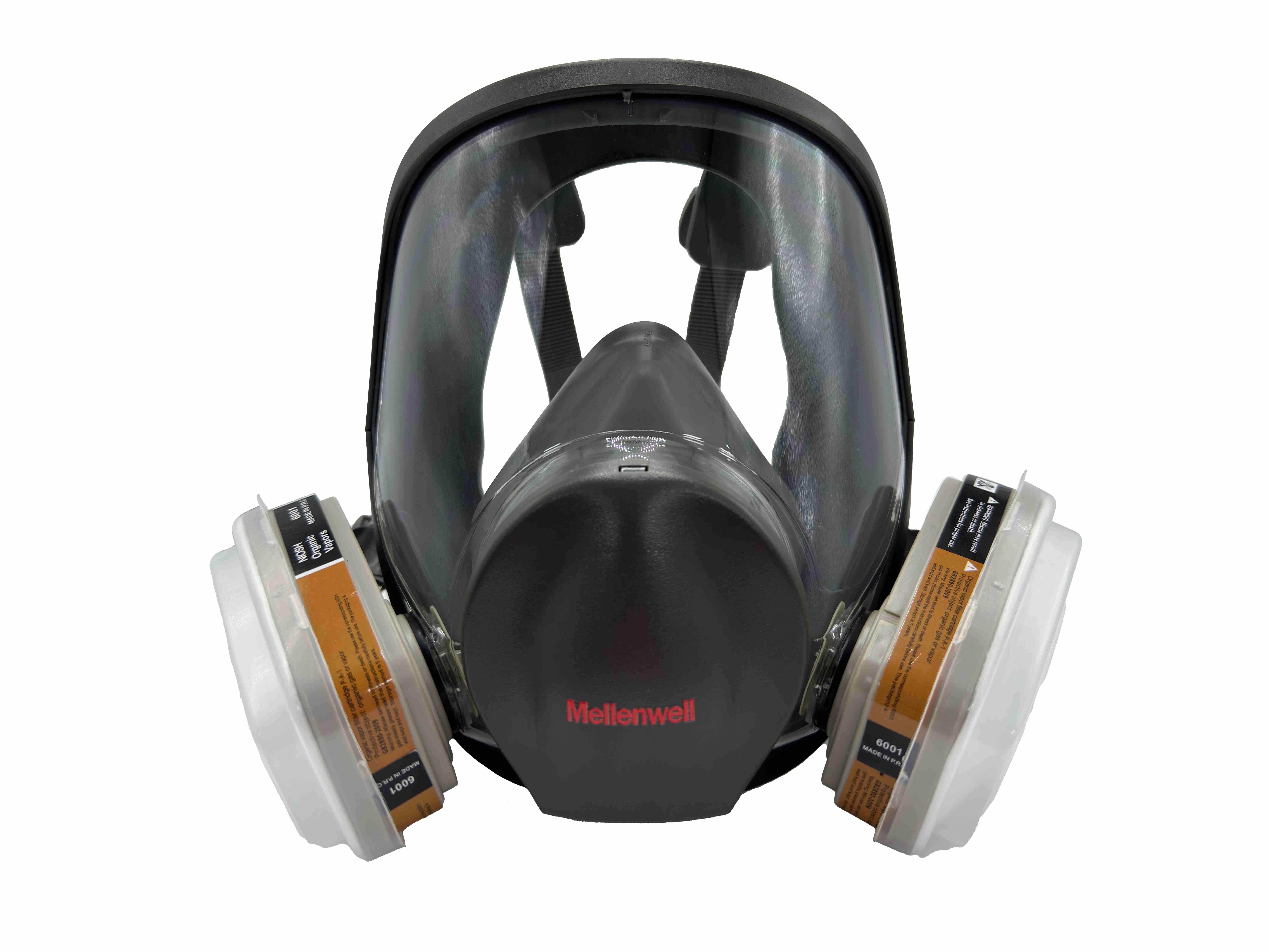
Full-face masks fully cover the entire face, mouth, nose and eyes with superior tightness. They prevent dust infiltration and irritation, delivering comprehensive protection for mining, stone cutting, demolition, metallurgy and other high-dust work. They weigh more and bring slightly higher breathing resistance compared with half-face masks.
Protection performance relies on standardized use and maintenance. KN95 filters paired with half-face masks suit regular dust work, while KN100 filters and full-face masks are required for severe dust environments. Inspect intact masks and clean filters before use, and adjust straps for tight facial fitting. Replace clogged filters once breathing resistance rises. Note that these masks only block particulate matter, not toxic gases, and shall never be used in toxic atmospheres.
Dust harm accumulates gradually. Improper protection causes permanent lung damage. Reasonable selection, correct wearing and timely replacement of masks effectively defend against dust hazards and secure workers' breathing safety.

Tel: +86 15992462208
whatsapp: +86 15992462208

mellenwell2208@gmail.com

Room 206, Building H, 2058 E-commerce Creative Park, Longyancheng, Huanggang Town, Raoping County, Guangdong Province, China.
Worktime: Monday to Saturday (24 hours online)
We also offer customization